


You may be eligible, even if you think you aren't!
Learn more about funded places for early years childcare


Loving Language Resources
Loving Language top tips
Loving Language top tips have been collated to benefit all children’s communication using strategies that encourage loving, enjoyable, back-and-forth, language-rich interactions.
All children are different, so follow your child’s lead and adapt activities to include your child’s interests.
These Top Tips are helpful for parents and practitioners.
BBC Tiny Happy People
BBC Tiny Happy People is also an excellent source of further activity ideas and information.
Great resources for nurseries to share with parents, too, to help support the skills development in the nursery!
Loving languages
Have you discovered your child’s Love Language yet? All children benefit from the 5 main Love Languages (graphics with touch, time, words, acts, gifts and an explanation), but as they grow, they often begin to show a preference for one or two Love Languages. Knowing your child’s preference can help support loving and nurturing communication so much more.
5 main Loving languages
Click on each button below to find out more.
Words of affirmation
Like when someone gives you a genuine compliment or praises you.
- Make time to give praise and encouragement,
- Be specific about what you value about your child and what makes you proud. fFor example, instead of saying ‘good boy/girl’, you could say ‘you’re such a great helper’ or ‘that was good listening’
Why not try
- Telling your child 5 of your favourite things about who they are
- Make a picture together for their room that has drawings or words affirming all the amazing things about them
- Making a wee love note for your child to show you are thinking about them and proud of them
Quality Time
Like playing a game, watching a movie, or just being together with loved ones
- Be intentional about doing things you both enjoy together
- Take time to talk and listen to their interests and feelings
- Be mindful about screens – these can be great for connecting when you are apart, but when we put them down, this helps us focus on having quality time together with our loved ones in the room
Why not try
- Cuddling up to read your child’s favourite book together
- Working as a team to make something – e.g. out of a cardboard box, Lego, or a special book or photo album
- Let them help you with jobs around the house – together!
- Look at photos together and talk about your good memories of quality time together
- Make a bucket list of fun things to do together and make plans to make more memories
Acts of service or kindness
Like when someone helps you with a task or cooks your favourite meal
Love is an action!
When we are responsive to our children’s everyday needs and communication, they feel valued.
We all need and appreciate help sometimes, and when we help our loved ones with things important to them, we show we care.
- Be sensitive when your child asks for help – it may be that their emotional tank needs refilling, and they want your time and attention
Why not try
- Making your child’s or young person’s favourite meal or snack
- Playing a game together that they love
- Helping them with a task they find difficult, like homework or tidying their room together
Positive, loving touch
Cuddles, kisses, and a massage. Children might love tickling and physical play.
Loving touch, such as cuddles, tickles, high fives, holding hands and fist pumps, is so important — appropriate to your child’s preferences.
‘Feel good’ hormones like oxytocin and endorphins are released, which help bonding, stabilise mood, relieve stress and pain, contributing to your child’s wellbeing and feeling loved.
You could try:
- Make up a special family handshake or high-five routine with your child.
- Cuddle up together to read a book or watch a film.
- Fun physical play like playing chases or superhero role play.
- Physical sports or ‘play fighting‘.
- Tickling songs like ’round and round the garden’ or ‘this little piggy’.
- Try baby massage or story massage.
Gifts
Makes you feel loved because the other person was thinking of you.
- For some children, special gifts make them feel loved. These could be inexpensive gifts like your child’s favourite sweets, special stickers, or homemade gifts.
- Value the gifts your child gives you (like pictures they made for you).
- Meaningful gifts don’t need to cost money. It can be something small that shows your child you care and were thinking about them.
Why not try:
- Get creative! Make your child or young person a picture or card.
- Pick a flower that’s their favourite colour, or an unusual leaf or stone when you are out on a walk together, to show that you were thinking of them when you were apart.

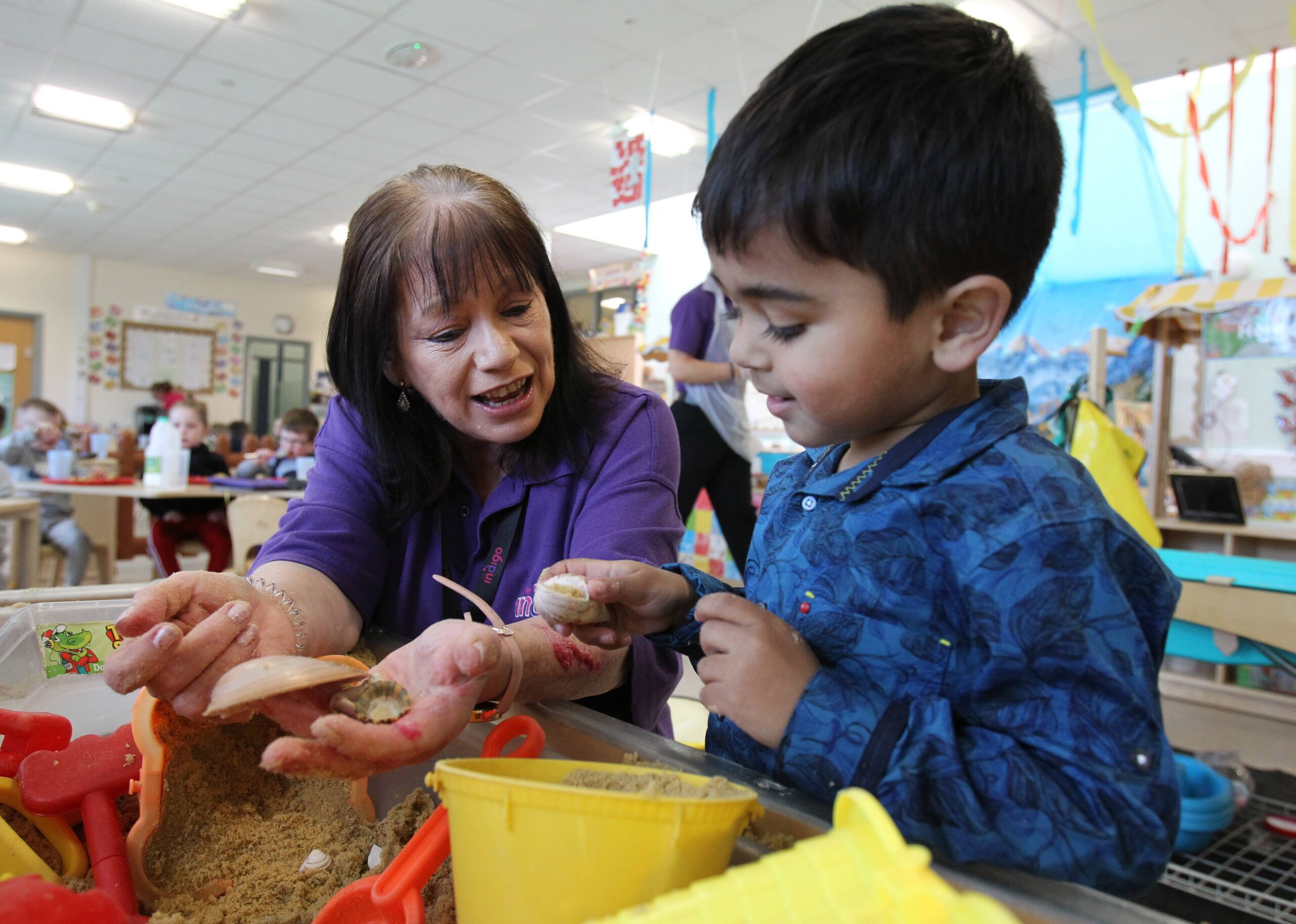
All children are unique and meet milestones in their own time. It can be helpful to recognise what developmental stage your child is at, to help support their current stage and to better understand and provide opportunities to progress to the next stage.
Every child has their strengths and areas which may require extra time or support to develop.
Loving Language has developed Communication Building Blocks checklists to help identify areas where children may need some focused support.
Watch a series of videos with top tips for each stage of the building blocks