





Loving language
We know that positive early speech, language and communication development can have lifelong impacts and outcomes. Our Loving Language programme recognises this and the importance of improving the language and communication skills of all our children from the earliest stages, even pre-birth!
Through a collaborative approach with families and high-quality interactions with children at all times, we can enrich children’s language and communication skills, equipping them for life now, at school and beyond into adult life.
These aren’t secrets to keep to ourselves, so Loving Language also aims to share these experiences, skills and learning with wider communities too.
What is Loving Language?
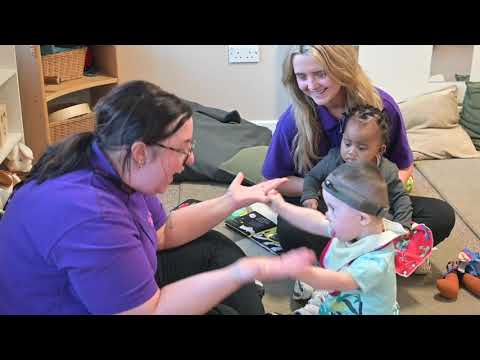
Working with Delve, we have created this video, which captures what Loving Language is and its importance to families and communities.
Key Messages of Loving Language
For children’s wellbeing, positive relationships, educational attainment and of course, the growth of language and communication universally, Loving Language emphasises that, it is essential to have interactions that demonstrate:
Loving, nurturing relationships
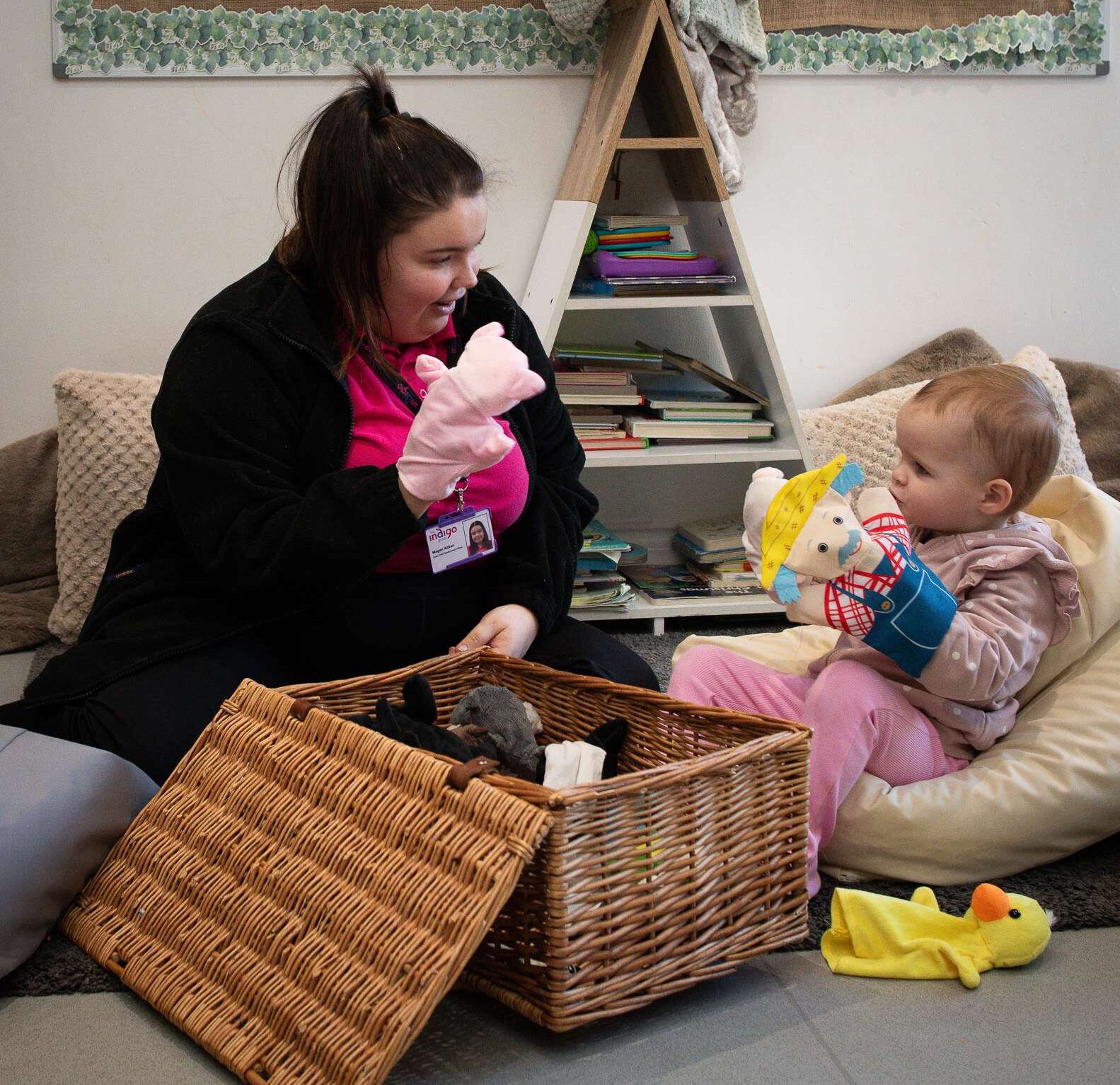
Loving, nurturing relationships are central to attachment and well-being. Children feel loved when adults are being responsive to their emotional needs and promote positive relationships.
Enjoyable interactions
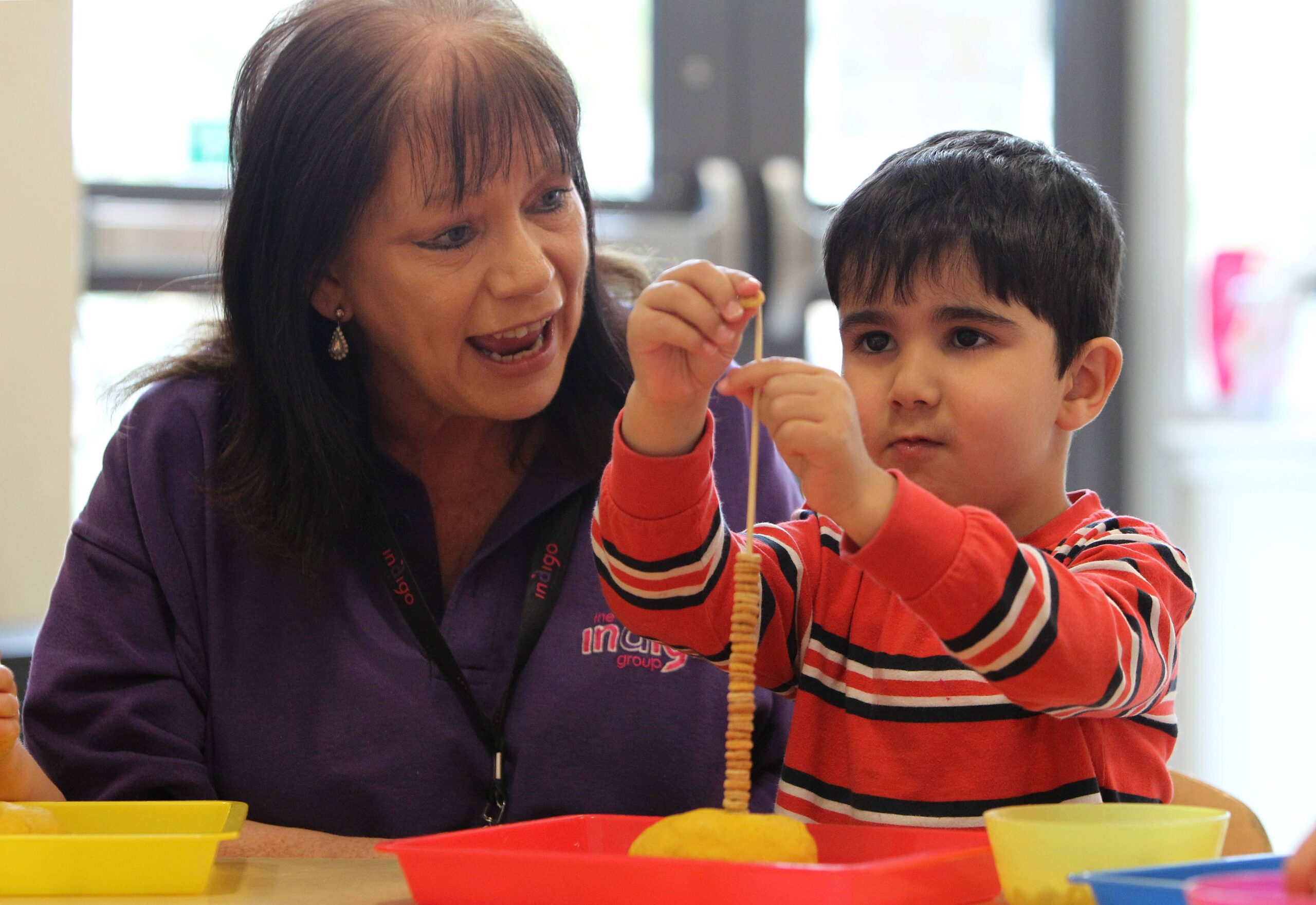
Enjoyable interactions in everyday routines and fun experiences are where children learn language and communication best. Adults can follow the child’s lead, include their interests and join in the play the child’s way to make interactions enjoyable for the child.

Back-and-forth interactions
Encouraging children to take turns fosters essential communication skills. These turns can involve eye contact, facial expressions, gestures, body language, sounds, or words.
When children participate in back-and-forth interactions with their caregivers, evidence shows their language skills improve. Opportunities for back-and-forth interactions can be woven into daily routines, play, and shared activities like nursery rhymes and stories.
Language Rich
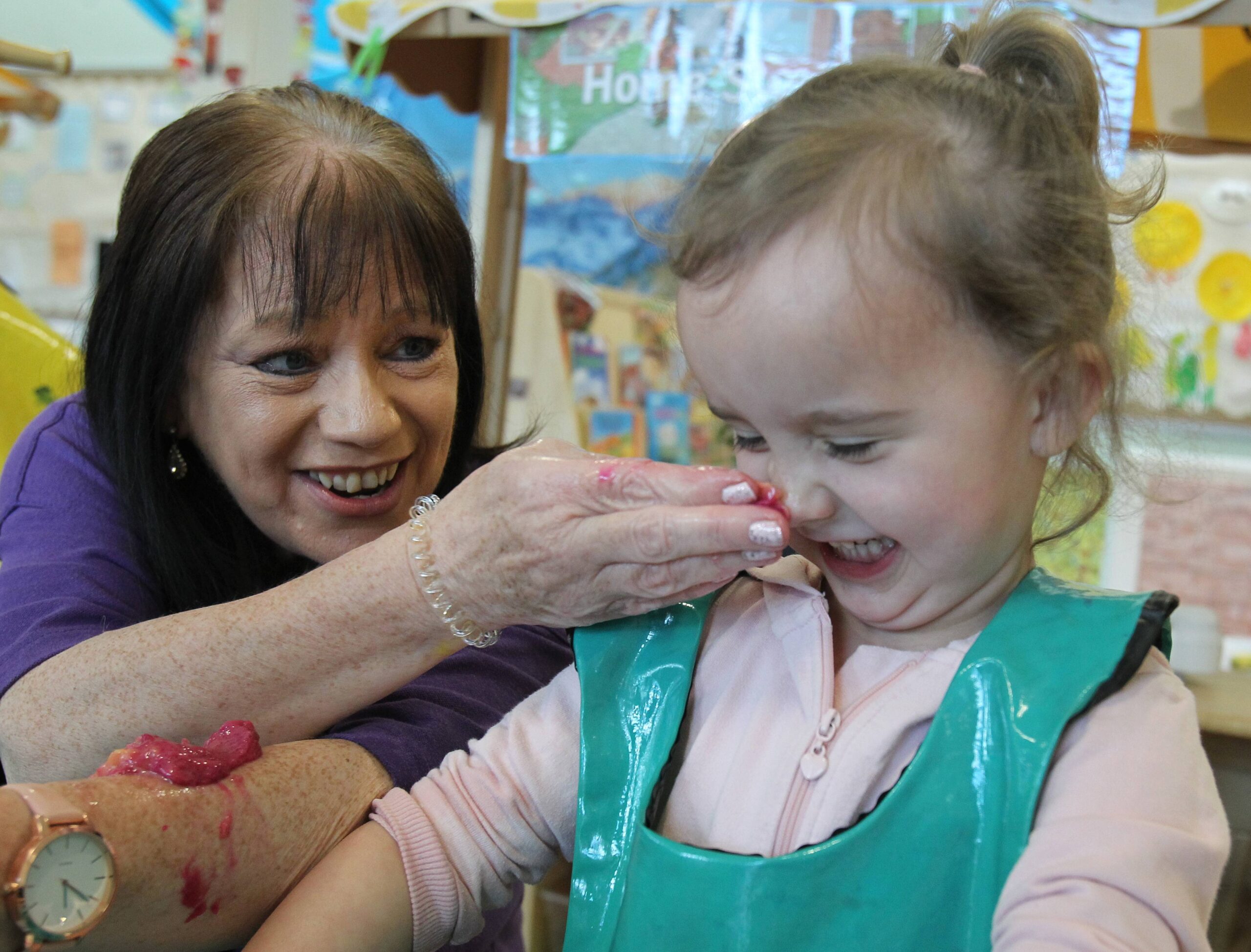
Once loving, enjoyable, back-and-forth interactions are established, the optimum environment for language learning has been created. This is where adults can add quality language to the interaction.
Highlighting language that is appropriate to the child’s stage of development will increase the child’s understanding and teach words and sentences they can use to express their own needs, opinions and stories as they grow.
Using your imagination in play, looking at photos together, reading books, singing songs and having conversations are just some of the ways we can have language-rich interactions and use strategies we know can expand and extend children’s language.
What does Loving Language involve?
-

Helping communities to understand how and why speech, language and communication development is important in the early years for life-long impact.
-
Sharing language and communication advice and activities at family and community events.
-
Sharing Loving Language information through leaflets, social media and our website.
-
Loving Language advice service for families to access targeted advice to support their child.
-
Professional learning, coaching and advice to deepen knowledge, skills and understanding of speech-language development and practical strategies to support that include Hanen Teacher Talk and Makaton signing.
-
Creation of inclusive environments for children which are communication-friendly and language-rich.
-
Establishing and supporting interventions to help to develop language and communication e.g. Attention and Listening activities, Bookbug, Languageland and Communication Buddies.
What difference does Loving Language make?
Acknowledging the importance of a strong speech, language and communication foundation for all children, experiencing Loving Language can have life changing impacts for families and build stronger more confident practitioners to support families.
Acknowledging the importance of a strong speech, language and communication foundation for all children, experiencing Loving Language can have life changing impacts for families and build stronger more confident practitioners to support families.
Loving Language strengthens their knowledge and understanding of how to best support their child’s speech, language and communication from the earliest stages, how to support their child to build all the necessary skills to be the best communicator they can be, helping give their child the best possible start in life.
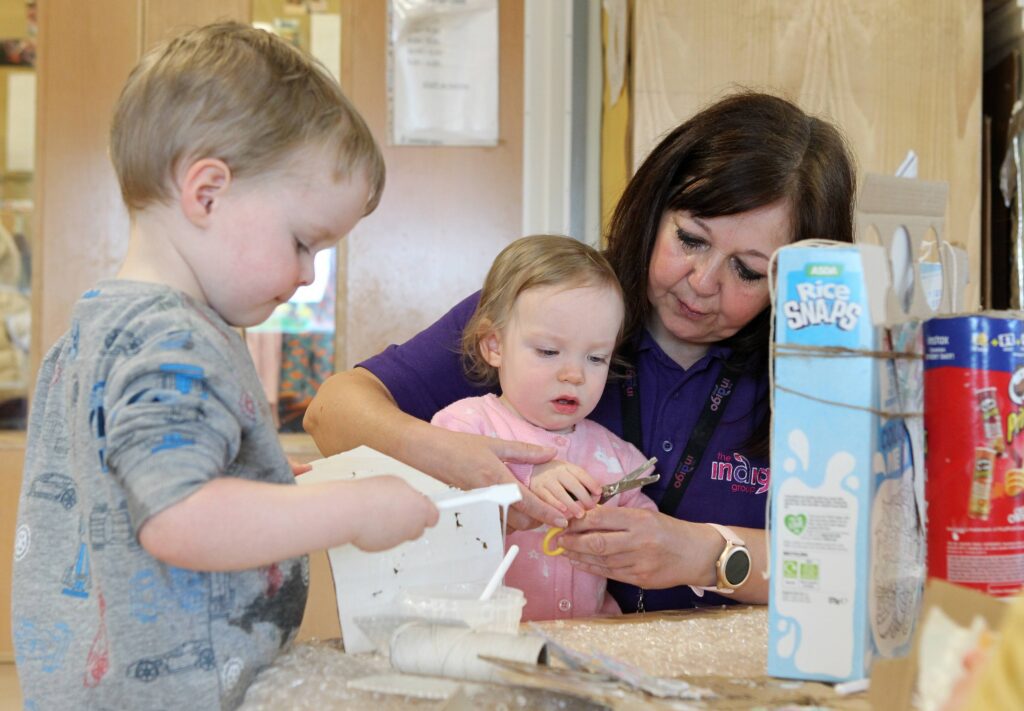
Experiencing the Loving language approach will help build children’s confidence, empower them to express themselves, give a strong foundation for learning in the early years and throughout life, strengthen relationships, build resilience, improve wellbeing and help them attain their goals for lifelong benefits.
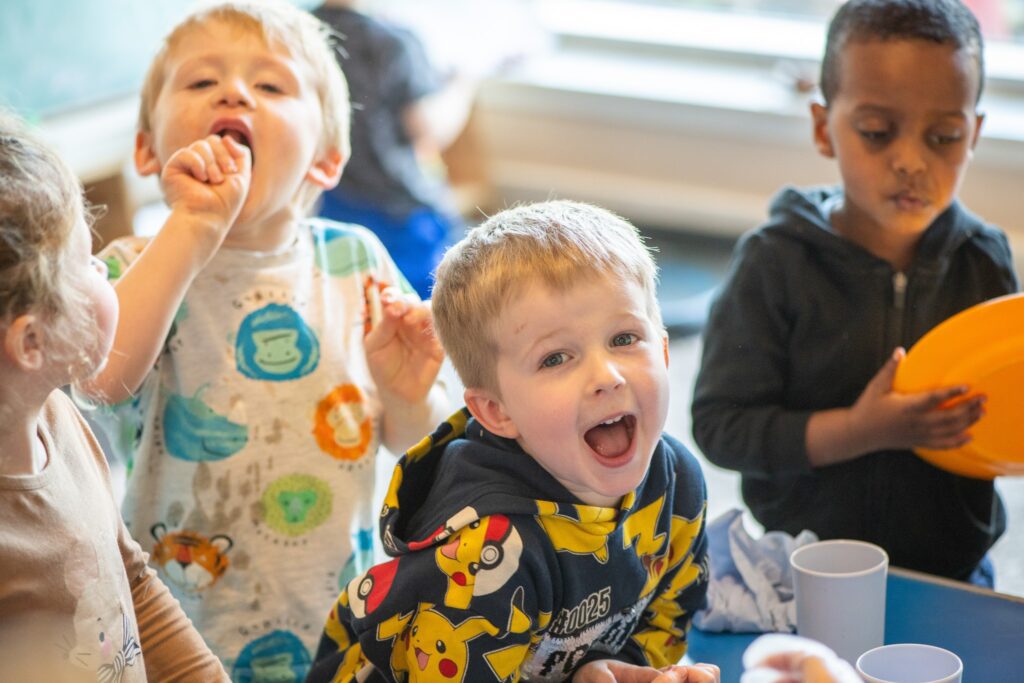
For those working day to day with children and young people, Loving Language embeds a strong understanding of the building blocks that provide the foundations for strong speech, language and communication skills.
Practitioners will also deepen their understanding of the medium and long-term impacts of good speech, language and communication for children now, in the medium term and into adulthood.
Loving Language experienced practitioners will be confident in using a broad toolbox of skills, strategies and resources to help children make the biggest progress, fastest in their speech, language and communication and their general development.
Services

Professional Learning
Indigo has created a tried and tested programme of Loving Language professional learning.

Family Learning
At Indigo we have worked alongside families to develop a Loving Language Family Programme
Meet the team
If you would like to find out more information, Kirsty Dawson, our Speech and Language Therapist coordinating Loving Language, can be contacted by email at kirsty.dawson@indigogrp.com.

Kirsty Dawson
Speech & Language Therapist
Hi, I’m Kirsty! As a speech and language therapist, I’m passionate about supporting families and reducing the impact of financial stress on children’s development. I see how challenges like poverty and emotional strain can affect speech and language skills, making early support essential.
I lead the Family Matters Loving Language programme, which focuses on both communication and creating a nurturing environment where children can thrive. My role allows me to work closely with families, ensuring they get the right support at the right time