






Top tips for communication

Indigo Childcare Group
2 min read
Jun 8 2025
Key messages for Loving Language
For children’s wellbeing, positive relationships and for the growth of language and communication are essential to have interactions that are loving, enjoyable, back and forth and language-rich.
Loving, nurturing relationships
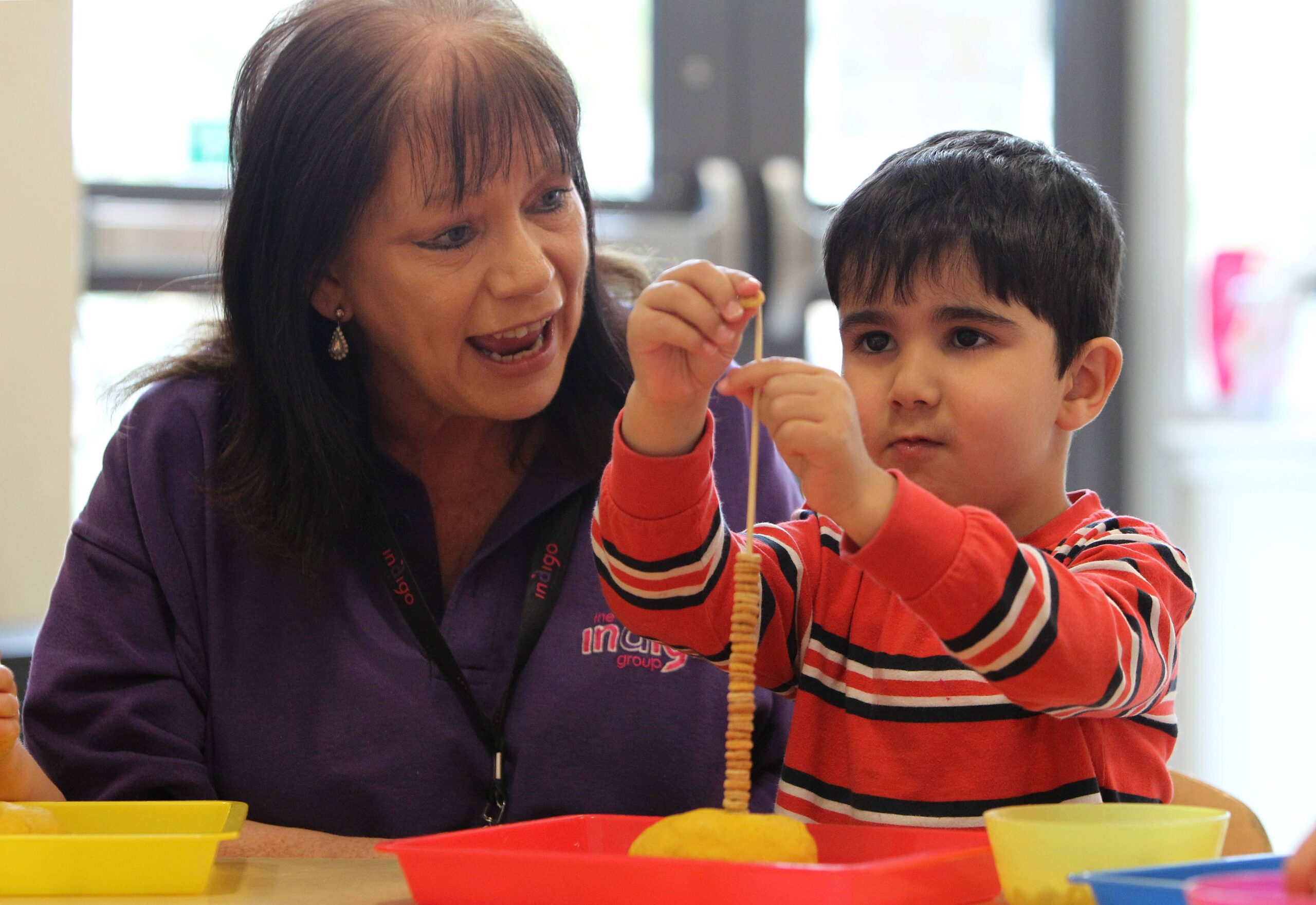
Loving, nurturing relationships are central to attachment and wellbeing. Babies and children feel safe and cared for when adults are responsive to their emotional needs and promote positive, loving, nurturing relationships.
-

Be intentional about spending quality time together with your child, doing things you both enjoy, and chatting about what they are interested in.
-
Respond to your baby or child’s communication in positive, supportive ways, responding to their needs and feelings.
-
Praise and encouragement are so important at all ages, use positive language and be specific about what they have done that makes you proud.
-
Work as a team with your child to achieve tasks together- let them help with the housework, think of fun things you can play with and make together.
-
Loving touch, such as cuddles, high fives and tickles, is important for bonding at all ages.


Enjoyable interactions
Enjoyable interactions in everyday routines and fun play experiences are when children learn language and communication best. When children are interested in the activity and motivated to communicate a message, they have the opportunity to learn how to take turns and use language and communication.
-
Include your children’s interests in play and interactions.
-
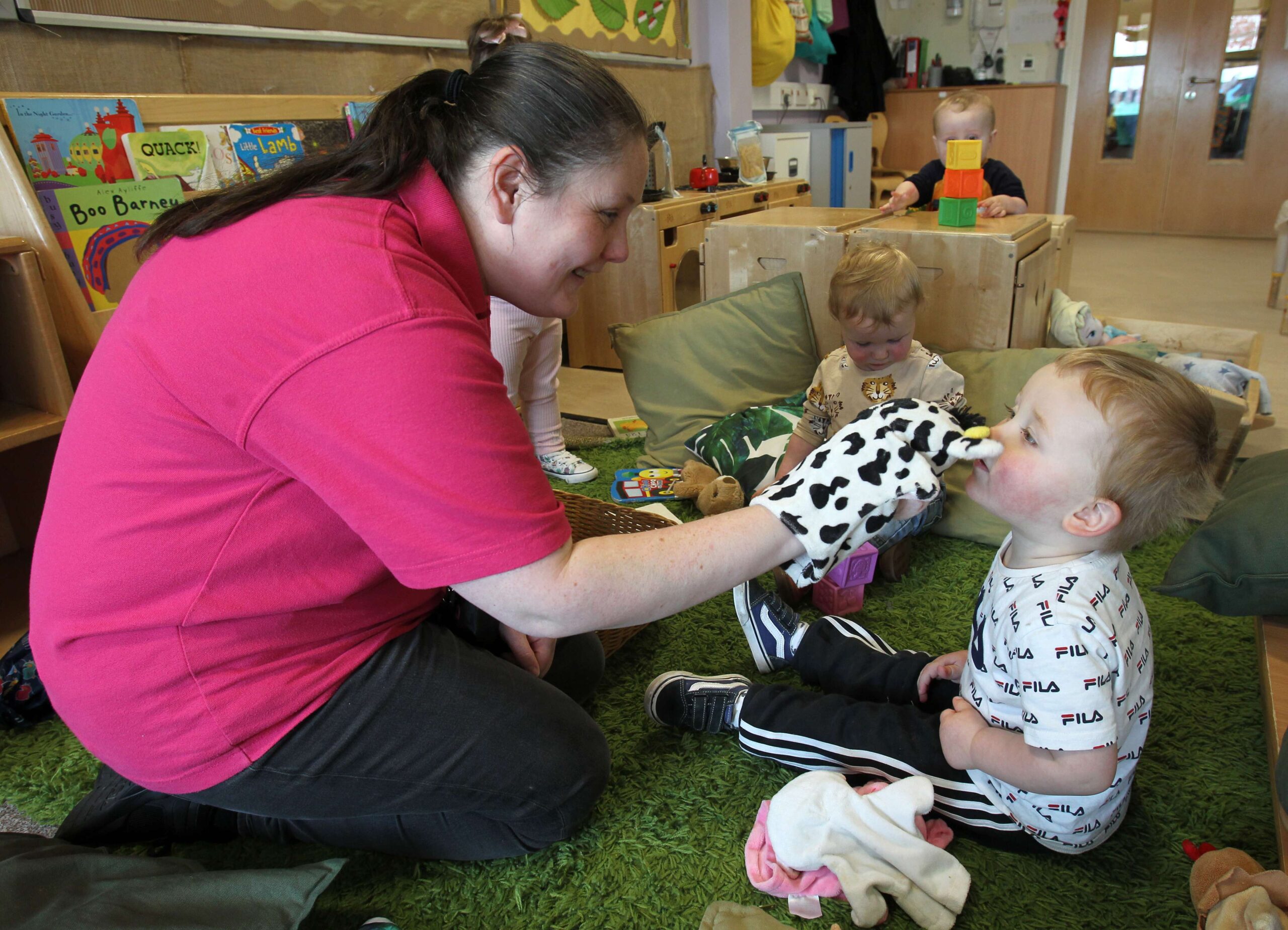
Get face-to-face and on your child’s level
-
Follow your child’s lead- observe, wait and listen to your child’s message.
-
Join in the play your child’s way,get your own toys and intimate their actions.
-
Interactions that are fun and energetic can be balanced with calming, enjoyable activities like quieter songs and cuddling up to look at a book together.

Language rich
Once loving, enjoyable, back-and-forth interactions are established, the optimum environment for language learning has been created where adults can add quality language.
Highlighting language appropriate to the child’s stage of development will increase the child’s understanding and teach words and sentences they can use to express their own needs, wants, opinions and stories as they grow.
-
Highlight new language by using short sentences and stressing the key words.
-
Show children what you mean as you talk, using objects, pointing, gestures, and pictures.
-
Use Makaton signs while speaking to help children understand and learn words.
-
Expand the language your child uses by repeating and adding one or two words.
-
Repeat back the correct version of any words your child does not say clearly.
-
Create opportunities for imaginary play following your child’s lead, use real objects as well as toys and model new ways children can pretend and imagine.
-
Extend the topic by adding descriptive words, explaining how and why, and talking about the past and future.
-
Using photographs of your child enjoying a day out or completing activities at the nursery is a great way to talk about the past with your child.
-
Talk about feelings in your child and others, act out these feelings in role play and with toys, label them in real-life situations, encourage your child to talk about how they feel and help them learn the words to do this.

Top Tips for Communication in the Early Years
Get face-to-face
Get face-to-face and on a children’s level. This allows you to see what your child is interested in and communicate with them, and also allows your child to see and hear your communication for language learning.
Observe, wait, listen
Observe what the child is interested in.
Wait for the child to communicate with you (this can be with or without words).
Listen to their message and be responsive to their communication.
Join in their play
Join in children’s play their way. Follow children’s lead by imitating their actions and communication.
Add new language following your child’s lead at the child’s language level.
The best games for interaction don’t need toys! Play people games such as ‘peekaboo’, ‘chasing’, ‘hide and seek’ with young children.
Share songs and rhymes with actions, such as round and round the garden, row row your boat, ring a rose
Support understanding by using visual information such as signs, gestures, pointing and pictures alongside spoken information.
Highlight short, simple language
Highlight short, simple language, showing children what you mean and repeat, repeat, repeat. Expand children’s words and sentences by adding one or two words or ideas to what they have said. For example, if the child says ‘digger’, the adult can repeat back ‘push the digger’ or ‘a big digger’.
Share books together
Share books together. Follow the children’s lead by allowing them to choose the book and creating opportunities for them to talk about the pictures and fill in the words.
Remove distractions
Remove distractions as much as possible when you are having talking and listening time with children (for example, turn off/put away screens and music).
