







Store cupboard to sanctuary: creating a sensory room for our Early Years learners

Michelle McCafferty

Carly Milligan
2 min read
Mar 10 2026
Introduction
In early years settings, the playroom is often the heart of learning — full of laughter, exploration, and busy little learners. But for some children, particularly those with Additional Support Needs (ASN), this lively environment can sometimes feel overwhelming.
Recently, we transformed a small store cupboard into a calming sensory room — and the impact has been incredible!
Why we created the Sensory Room
Over the past few years, we’ve noticed a rise in children requiring additional support. Many find the noise, bright lights, and constant movement of the playroom challenging. Busy environments can:
- Increase anxiety
- Trigger sensory overload
- Make emotional regulation difficult
- Lead to frustration or withdrawal
We recognised the need for a quieter, more nurturing space where children could regulate their emotions and recharge before returning to play.
The vision
What started as a simple store cupboard quickly revealed its potential. Our goal was to create:
- A low-stimulation environment
- A space to support emotional regulation
- A quiet retreat for reflection and recovery
- A sensory-rich area tailored to individual needs
With thoughtful planning and creativity, the transformation began.
The transformation
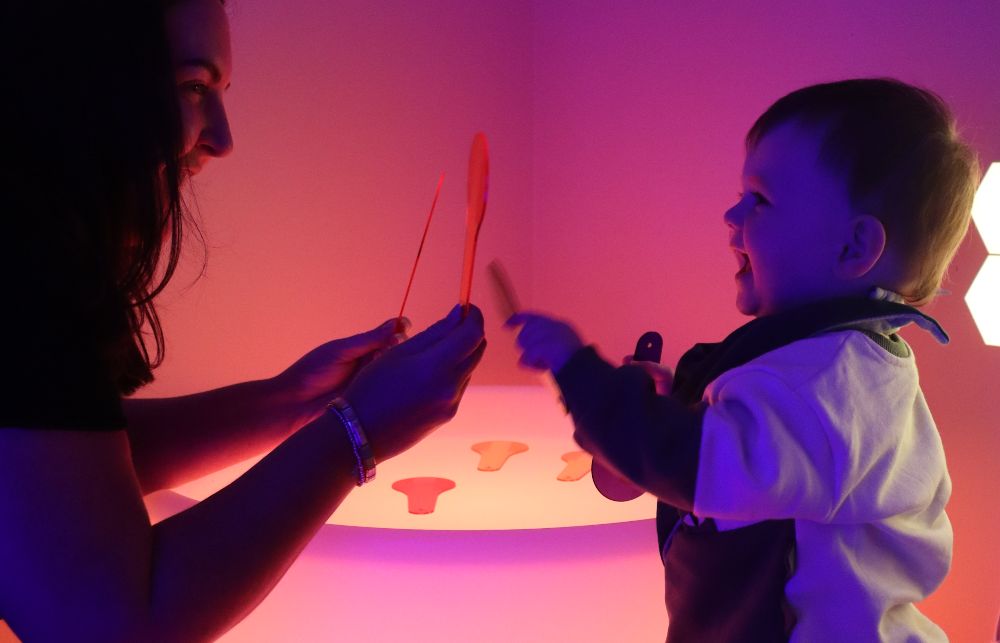
The once-cluttered cupboard became a cosy sensory sanctuary. Key features include:
- Soft, dimmable lighting to reduce harsh brightness
- Cushions and soft furnishings for comfort
- Sensory resources, such as textured materials and fidget tools
- Calming visuals and gentle decor
The space was intentionally kept simple. It’s not about adding lots of equipment — it’s about creating calm.

Supporting emotional regulation
Children are introduced to the sensory room as a positive tool, not a consequence. Staff help children recognise when they might need a break and support them in developing language and control over their emotions.
The room allows children to:
- Pause and reset
- Engage with calming sensory input
- Feel safe in a contained environment
- Build self-regulation skills over time
For many learners, this quiet space has reduced distress and supported smoother transitions back into the playroom.
The impact so far
Since introducing the sensory room, we’ve observed:
-

Fewer emotional escalations
-
Improved engagement in learning
-
Increased independence in recognising regulatory needs
-
Greater confidence in returning to group activities
The transformation of our store cupboard into a sensory room for our Early Years learners represents a significant step forward in enhancing their developmental experiences. This newly designed sensory room in Glasgow is tailored to provide a calming and engaging environment, fostering exploration and learning through various sensory stimuli. Our aim is to create a welcoming space where every child can thrive and feel supported in their individual journey. We look forward to seeing the positive impact this initiative will have on our young learners.
Most importantly, children feel heard and supported.
Small space, big difference
This project reminded us that meaningful change doesn’t require a large budget or a big room — just understanding, empathy, and creativity.
By turning a simple storage cupboard into a sensory space, we’ve created an inclusive environment that meets the needs of all learners. Sometimes, what a child needs most is simply a quiet moment to breathe.
Written by the manager and assistant manager of Dunagoil nursery
Acknowledgement
This sensory space was made possible thanks to funding from the National Lottery Community Fund through the Awards for All programme. We are grateful for their support in helping make this project a reality.
